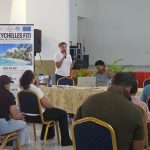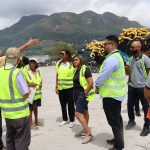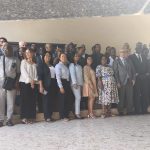

High-level mission explores opportunities for research, innovation, technology transfer, capacity development and stronger economic partnerships.
Principal Minister, Wallace Cosgrow, Minister for Fisheries, Agriculture and Blue Economy, led a high-level Seychelles delegation to India from 24th to 29th August 2026, for a series of engagements aimed at strengthening bilateral cooperation in fisheries, aquaculture, agriculture, marine research, technology, innovation, capacity development and the wider Blue Economy.
The Seychelles delegation comprised the following government officials: Wallace Cosgrow – Principal Minister and Minister for Fisheries, Agriculture and Blue Economy [Head of Delegation]; Officials of the Ministry: Mr. Keven Nancy, Principal Secretary of the Department of Agriculture; Ms. Veronique Nibourette, Principal Secretary of the Department of Blue Economy; Ms. Linetta Joubert, Chief Policy Analyst; Ms. Sheriffa Morel, Director General of Fisheries; Ms. Sabrina Weidauer, Senior Programme Development Officer and Mrs. Veronica Alphonse-Uzice, Assistant Manager for Aquaculture from the Seychelles Fisheries Authority.
The mission brought together senior representatives from the Department of Fisheries, Department of Agriculture, Department of Blue Economy and the Seychelles Fisheries Authority, reflecting the Government of Seychelles’ commitment to strengthening bilateral cooperation with India and advancing shared priorities in fisheries, agriculture and the wider Blue Economy.
The programme facilitated government-to-government discussions, technical and research engagements, knowledge-sharing opportunities and private-sector interactions across New Delhi, Hyderabad and Kochi, alongside an engagement with the Cochin University of Science and Technology (CUSAT) in Kochi.
The mission also built on recent progress in Seychelles-India cooperation, including the signing, during the state visit of Indian Prime Minister, Mr. Narendra Modi’s to Seychelles in June 2026, whereby a Memorandum of Understanding was signed between the Indian Council of Agricultural Research (ICAR) and the Department of Agriculture of Seychelles on cooperation in agricultural research and education. A five-year Work Plan for 2026 -2031 was subsequently established, providing a framework for joint research, training and technical studies in areas including climate-smart agriculture, horticulture, post-harvest management, livestock development and sustainable food and nutrition security.
The August 2026 mission provided an opportunity to advance this framework while broadening bilateral engagement to other strategic areas, including fisheries, aquaculture, marine science and technology, innovation and private-sector cooperation, with the Blue Economy providing an overarching platform for collaboration.
Advancing agricultural cooperation
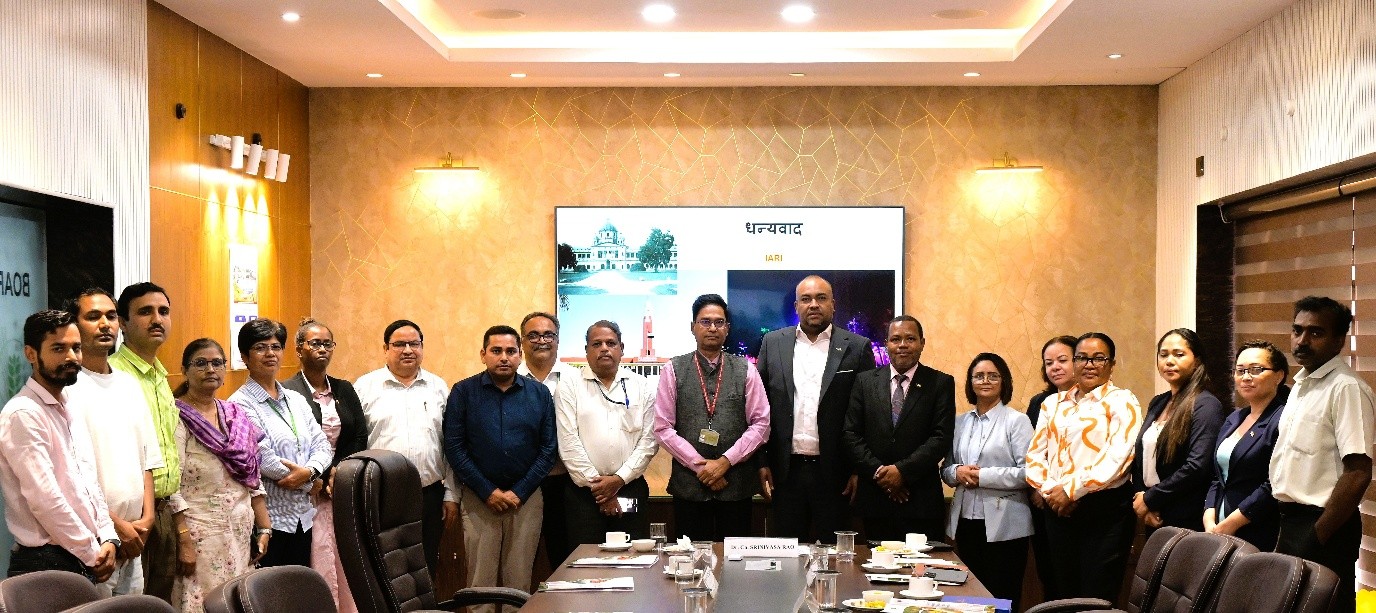
The agricultural component of the mission commenced in New Delhi with high-level discussions with India’s agricultural research leadership, providing an opportunity to advance the Seychelles–ICAR cooperation framework and identify areas where India’s research expertise, technical knowledge and institutional experience could support Seychelles’ agricultural priorities.
The delegation also visited the Indian Agricultural Research Institute (ICAR-IARI), gaining first-hand insight into India’s advances in agricultural research, innovation and technology, and exploring opportunities for knowledge exchange and technical cooperation.
The engagements highlighted the importance of translating the bilateral cooperation framework into practical institutional collaboration, including through joint research, technical exchanges, knowledge-sharing and capacity development.
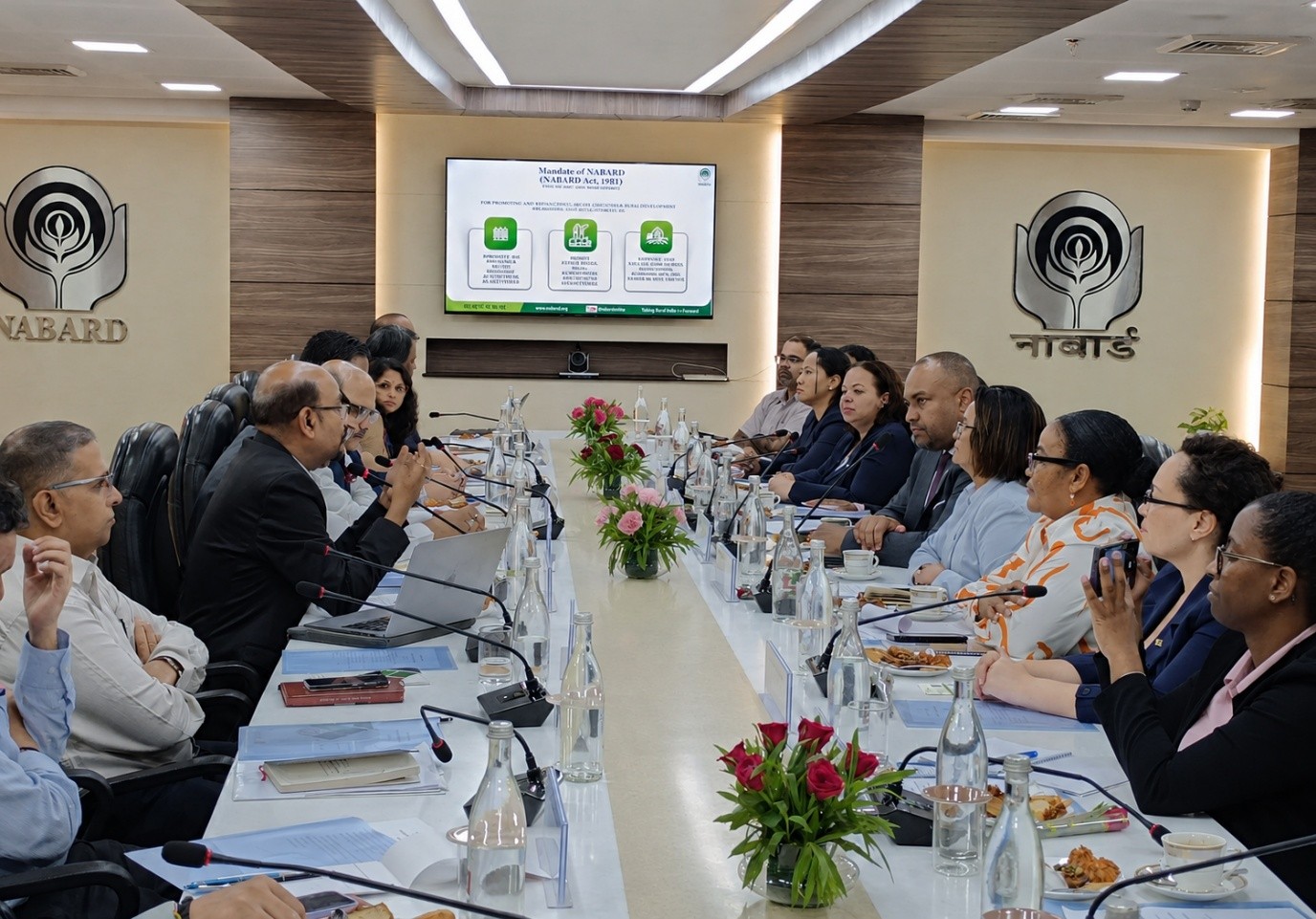
The programme also included a working engagement with NABARD Consultancy Services (NABCONS). The interaction provided an opportunity for the Seychelles delegation to engage with an Indian institution specialising in consultancy and development-related services. Discussions held in the context of the official working programme contributed to the broader exchange of perspectives on areas of potential relevance to Seychelles.
Strengthening bilateral cooperation in fisheries and aquaculture.
Fisheries and aquaculture were central to the mission, reflecting the importance of these sectors to Seychelles’ economy, food security, livelihoods and sustainable development.
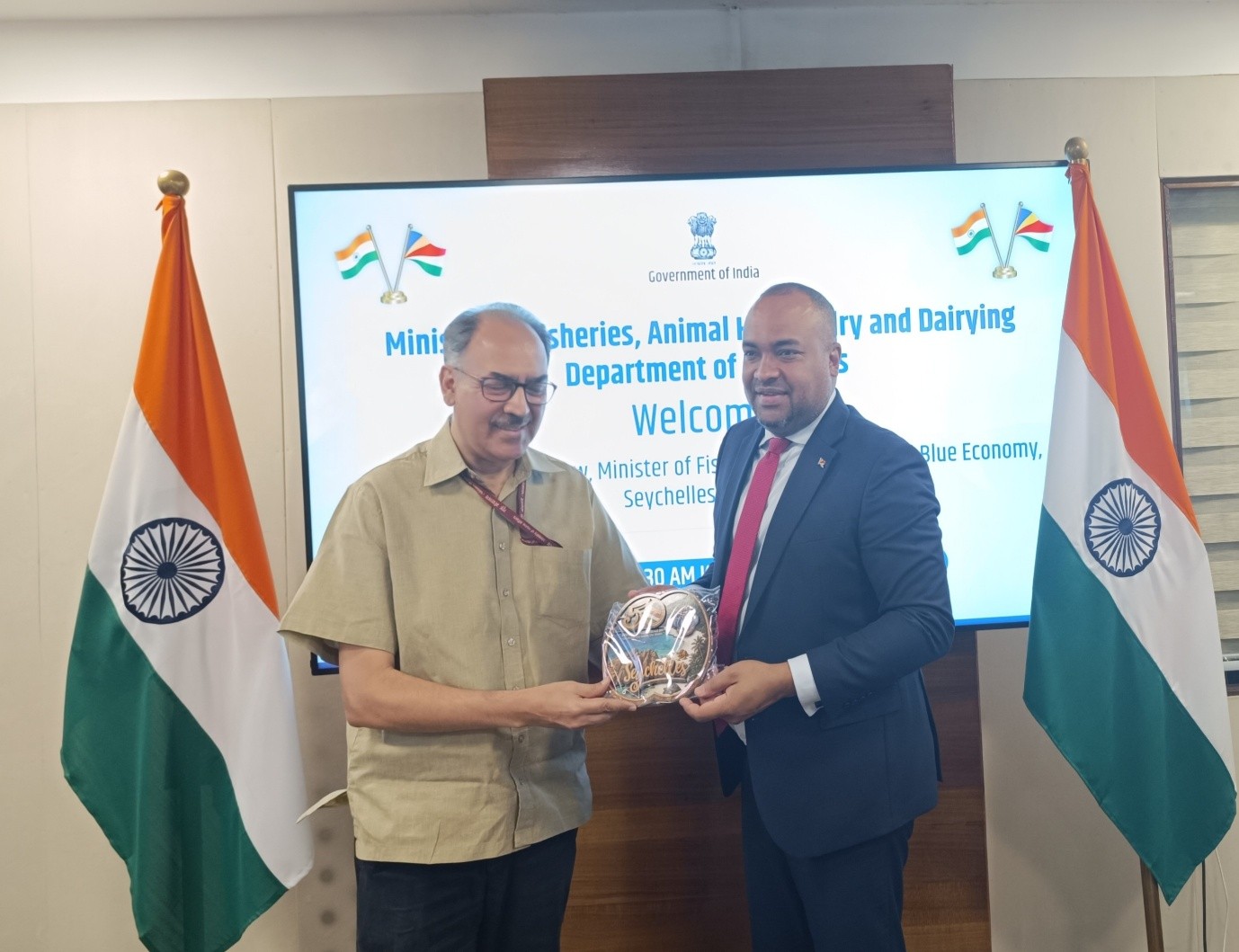
On 25 August, the delegation held high-level bilateral discussions in New Delhi with India’s Department of Fisheries, Ministry of Fisheries, Animal Husbandry and Dairying. The Seychelles delegation was led by Principal Minister Wallace Cosgrow, while the Indian delegation was led by Dr Abhilaksh Likhi, Secretary, Department of Fisheries. Senior officials and institutional representatives from both countries participated in the discussions.
The discussions covered a wide range of areas of mutual interest, including marine aquaculture and mariculture, modern hatchery development, tuna fisheries, fisheries stock assessment, post-harvest engineering and marine conservation. Attention was also given to fisheries data systems, monitoring, control and surveillance and the potential application of emerging technologies, including artificial intelligence, in fisheries management and harvest management.
The discussions also considered opportunities to strengthen the fisheries value chain through tuna processing, product diversification and sustainable management of fish-processing waste. These areas are of particular relevance to Seychelles as the country continues to explore ways of increasing the value derived from its fisheries resources while strengthening environmental sustainability and resource efficiency.
An important area identified during the discussions was the potential development of a more structured bilateral framework for fisheries and aquaculture cooperation. Seychelles expressed interest in accelerating work towards a bilateral Memorandum of Understanding, supported by an advanced work plan and appropriate institutional mechanisms to facilitate continued engagement among government authorities, researchers and technical experts.
Taken together, the discussions provided a basis for further engagement in fisheries science, aquaculture development, technology, institutional capacity and sustainable marine resource management.
Exploring innovation in fisheries and aquaculture.
The mission continued in Hyderabad with a visit to the National Fisheries Development Board (NFDB).
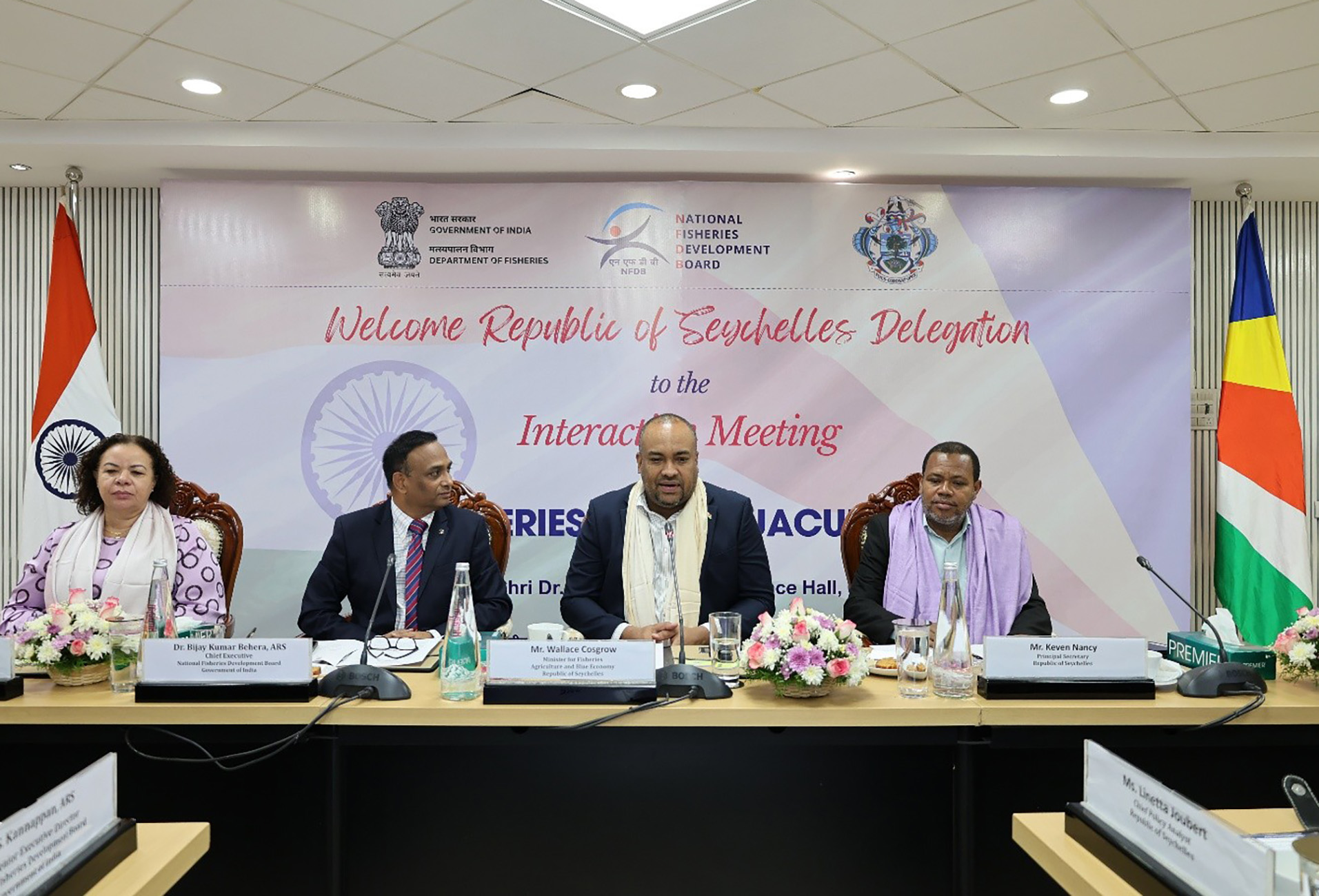
The delegation was introduced to India’s approaches to fisheries and aquaculture development, including national fisheries development initiatives, entrepreneurship and fisheries cooperatives.
The engagement also covered a range of aquaculture and fisheries technologies and approaches, including intensive and precision aquaculture, recirculating aquaculture systems, biofloc technology and applications of artificial intelligence and Internet of Things (IoT) technologies in fisheries. Discussions also addressed fish-feed development and cluster-based approaches to strengthening fisheries and aquaculture value chains.
The briefing covered India’s Pradhan Mantri Matsya Sampada Yojana (PMMSY), Pradhan Mantri Matsya Kisan Samridhi Sah-Yojana (PM-MKSSY), Fisheries and Aquaculture Infrastructure Development Fund (FIDF), providing an overview of the policy, financing and institutional mechanisms supporting the development of India’s fisheries and aquaculture sector.
The delegation was introduced to modern fisheries and aquaculture technologies, including intensive shrimp farming, recirculating aquaculture systems, biofloc technology and digital applications such as artificial intelligence and the Internet of Things (IoT). Discussions also covered fisheries development initiatives, advances in fish feed and cluster-based approaches to strengthening the sector.
The exchange was particularly relevant to Seychelles’ interest in strengthening aquaculture, promoting innovation and exploring technologies that could support more efficient and sustainable fisheries and aquaculture production. The engagement broadened the mission’s focus from production and research to the enabling environment required to support entrepreneurship, innovation, knowledge transfer and stronger value chains.
Advancing marine fisheries research and sustainable resource management.
The delegation travelled to Kochi on 26th August, continuing its programme with a series of engagements focused particularly on marine fisheries research, fisheries technology and the Blue Economy.
On 27th August, the delegation visited the ICAR-Central Marine Fisheries Research Institute (CMFRI), where discussions explored potential areas of cooperation in marine fisheries research, sustainable fisheries management and mariculture.
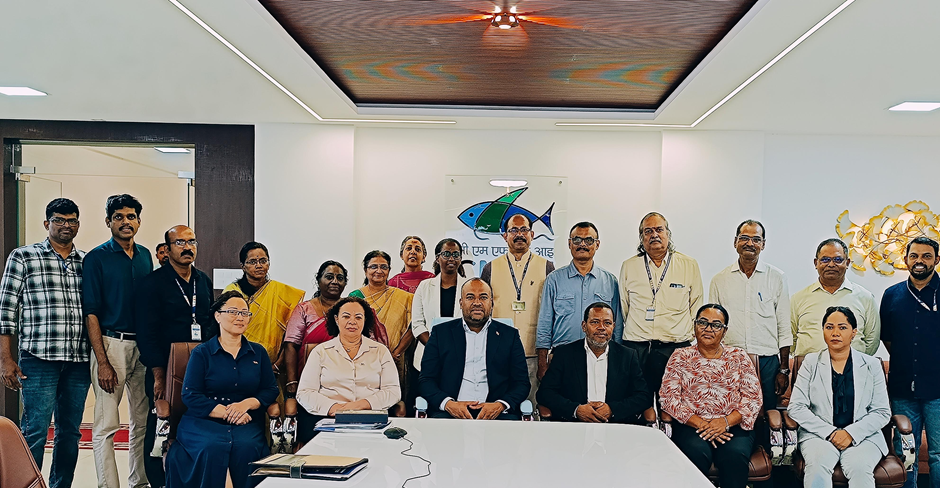
Areas of particular interest included fisheries stock assessment, climate-change impact assessment, seaweed-based value addition, ornamental fish breeding, mariculture, tuna fisheries and marine bioprospecting. The discussions also considered the value of long-term fisheries datasets and scientific expertise in supporting evidence-based fisheries management.
The delegation was also introduced to fisheries data and digital technologies through CMFRI’s National Marine Fisheries Data Management Centre, including approaches for collecting field-level fisheries information through mobile technologies and applying analytical tools to fisheries data.
Another area of interest was India’s experience in balancing fisheries conservation with the livelihoods of small-scale fishing communities. The discussions highlighted the importance of combining scientific evidence with socioeconomic considerations when developing fisheries management measures.
For Seychelles, these areas of expertise are relevant to ongoing efforts to strengthen the scientific basis for fisheries management, improve fisheries information systems, build technical capacity and ensure that marine resources are utilised sustainably.
Increasing value through fisheries technology and circular economy approaches
The delegation also visited the ICAR–Central Institute of Fisheries Technology (ICAR-CIFT) in Kochi.
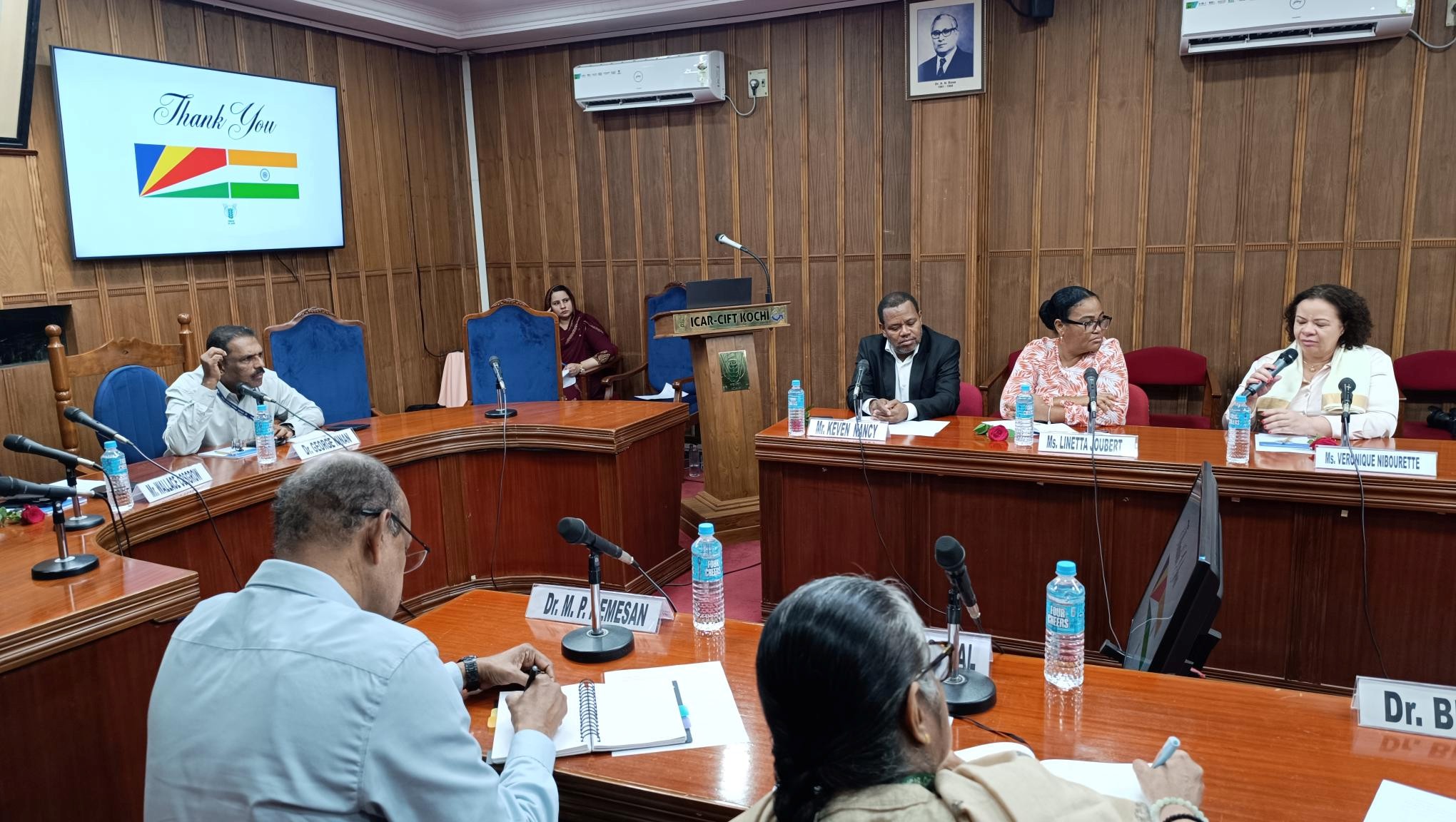
Discussions focused on fishing technology, fish processing, circular economy approaches and quality assurance, with particular attention to opportunities to increase the value derived from landed catches.
Principal Minister Cosgrow highlighted the importance of maximising revenue from landed catches, particularly tuna and of strengthening post-harvest management to achieve greater value and circularity within the fisheries sector.
The delegation explored CIFT’s technical expertise in responsible fishing systems, fisheries processing, value addition, waste utilisation, quality assurance and post-harvest management.
Particular interest was expressed in opportunities relating to high-value products derived from fish-processing residues and seaweed, fishing-vessel design and standards, and on-board training.
These areas have direct relevance to Seychelles’ efforts to strengthen fisheries value chains, reduce waste, promote value addition and explore opportunities for greater resource efficiency within the Blue Economy.
Building academic and commercial linkages
The mission also included an engagement with Cochin University of Science and Technology (CUSAT) in Kochi.
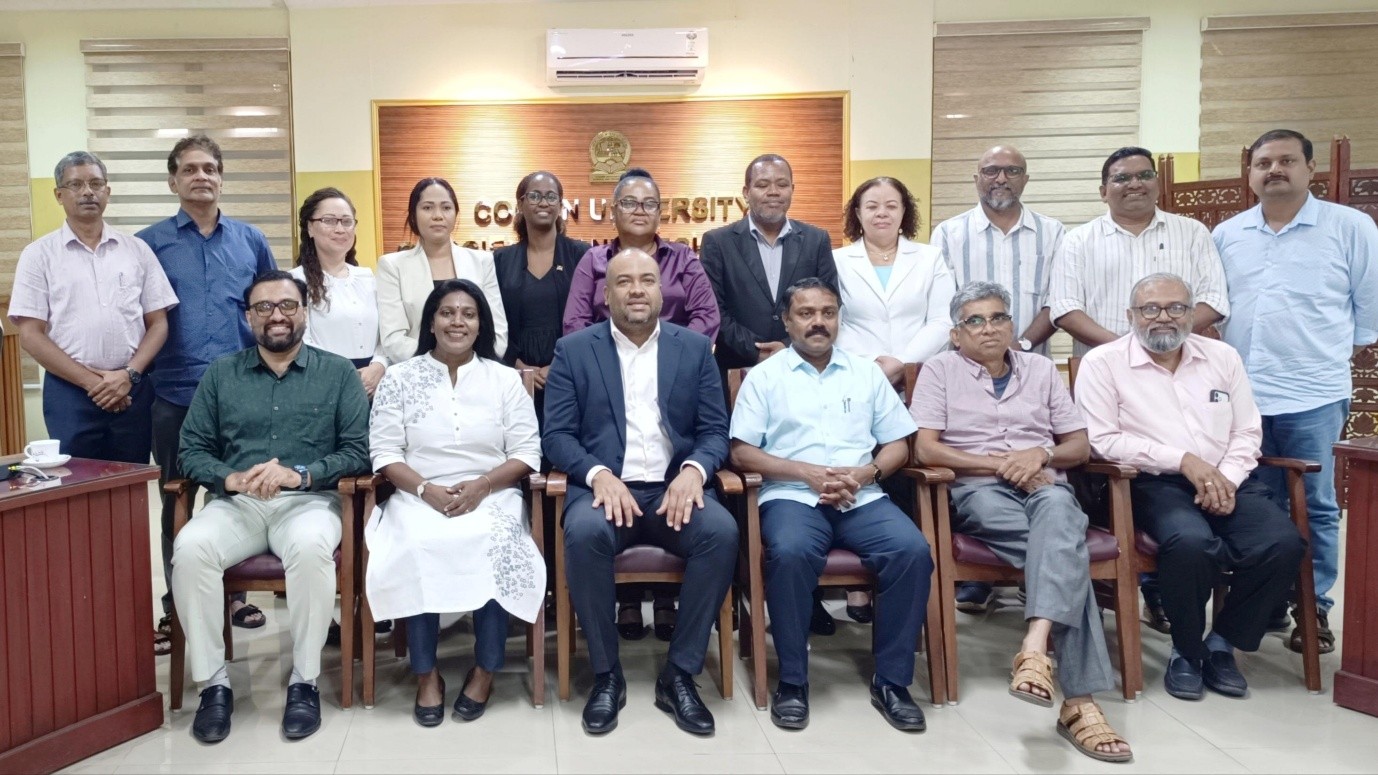
The engagement provided an opportunity to explore potential academic and institutional cooperation in areas relevant to fisheries, marine science, technology, research and capacity development.
The delegation subsequently participated in a roundtable with the Cochin Chamber of Commerce and Industry, providing an opportunity to engage with representatives of Kerala’s business community and explore potential commercial and economic linkages between Kerala and Seychelles, particularly in fisheries, agriculture, aquaculture and the Blue Economy.
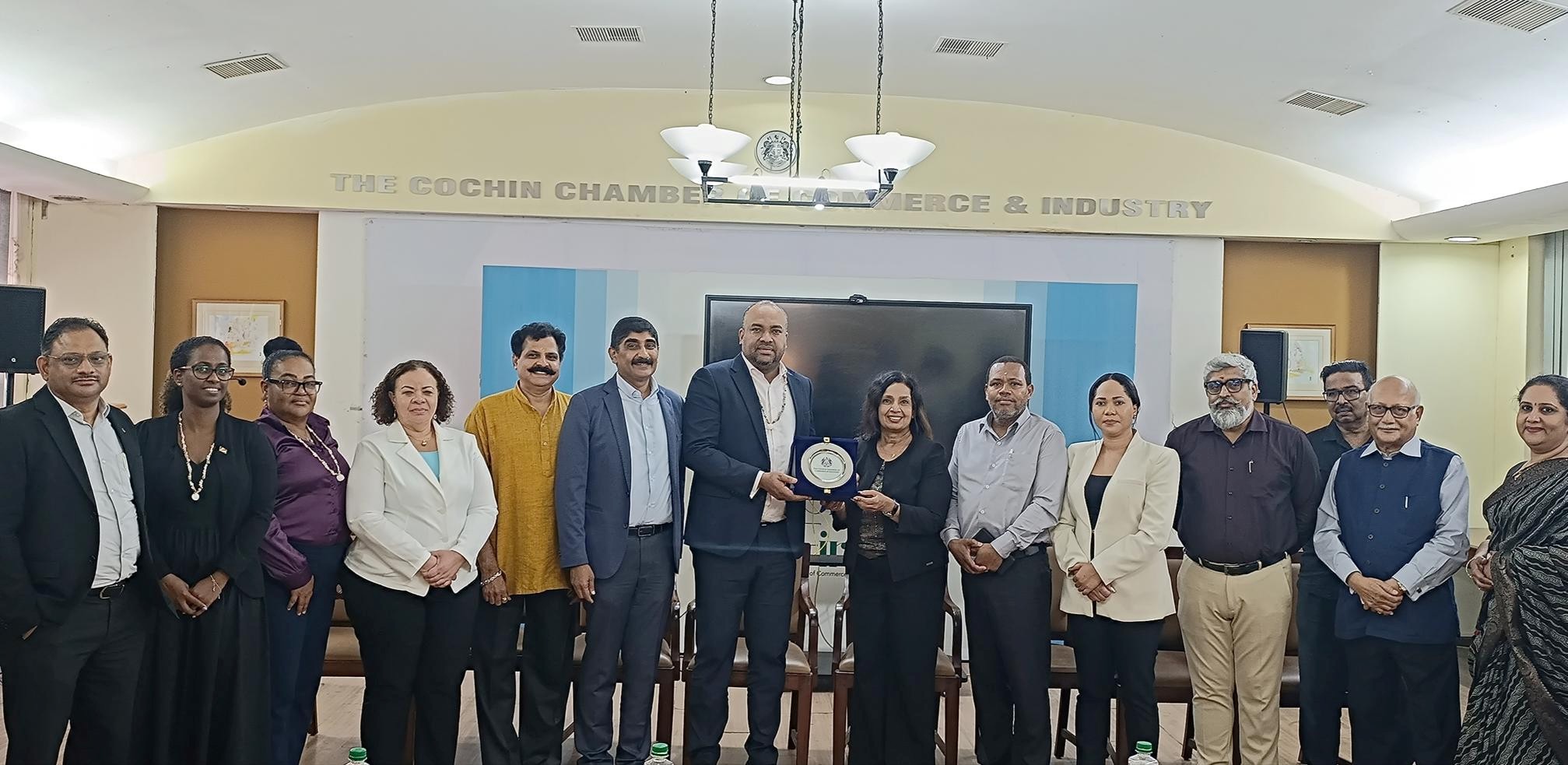
These engagements complemented the government and research-level discussions undertaken during the mission and highlighted the importance of connecting institutional cooperation with academic expertise, entrepreneurship and private-sector opportunities.
A platform for practical cooperation.
Across the mission, Seychelles engaged with a diverse range of Indian institutions with expertise spanning government policy, agricultural and fisheries research, aquaculture, marine science, fisheries technology, innovation, education, consultancy and the private sector.
A number of common areas of interest emerged across the programme, including sustainable fisheries and aquaculture, tuna fisheries, marine research, fisheries data and digital technologies, post-harvest management, value addition, circular economy approaches, aquaculture innovation, agricultural research, capacity development and commercial engagement.
The mission demonstrated the value of direct institutional engagement in identifying areas where Indian expertise, technologies, research capabilities and experience may complement Seychelles’ national priorities.
For the Department of Blue Economy, the discussions are particularly relevant to the continued development of a Blue Economy that combines sustainable resource management with greater economic value, scientific knowledge, technological innovation and stronger participation across value chains.
The fisheries and aquaculture discussions also provide a basis for further consideration of a structured bilateral cooperation framework, while the engagements with research, academic and technical institutions offer potential avenues for future collaboration in research, technology, training and institutional capacity development.
The mission should therefore be viewed as part of an ongoing process of translating the longstanding Seychelles-India partnership into practical areas of cooperation that respond to the priorities of both countries.
The Ministry of Agriculture, Fisheries and Blue Economy will continue to work with relevant national counterparts and Indian partners to follow up on the areas of mutual interest identified during the mission and to assess opportunities for practical cooperation, including institutional linkages, research collaboration, technical exchanges, capacity development and innovation.
Through these engagements, Seychelles and India continue to explore opportunities to share expertise and strengthen cooperation in support of sustainable fisheries, resilient food systems and the responsible development of the Blue Economy.
Appreciation and Continued Cooperation.
On behalf of the Government of Seychelles, the Department of Blue Economy expresses its sincere appreciation to the Government of the Republic of India for its generous support and sponsorship of the official visit, as well as for the warm hospitality extended to the Seychelles delegation throughout its stay. Appreciation is also extended to the High Commission of India in Seychelles and to the officials and institutions of both countries whose close coordination, assistance and commitment contributed to the success of the visit. The Seychelles delegation is particularly grateful for the openness with which its members were received and for the valuable knowledge, expertise, opportunities for cooperation and insights shared throughout the programme. The visit has further strengthened the longstanding bonds of friendship and cooperation between Seychelles and India and provided a strong foundation for continued collaboration in fisheries, agriculture, research, innovation and the wider blue economy.