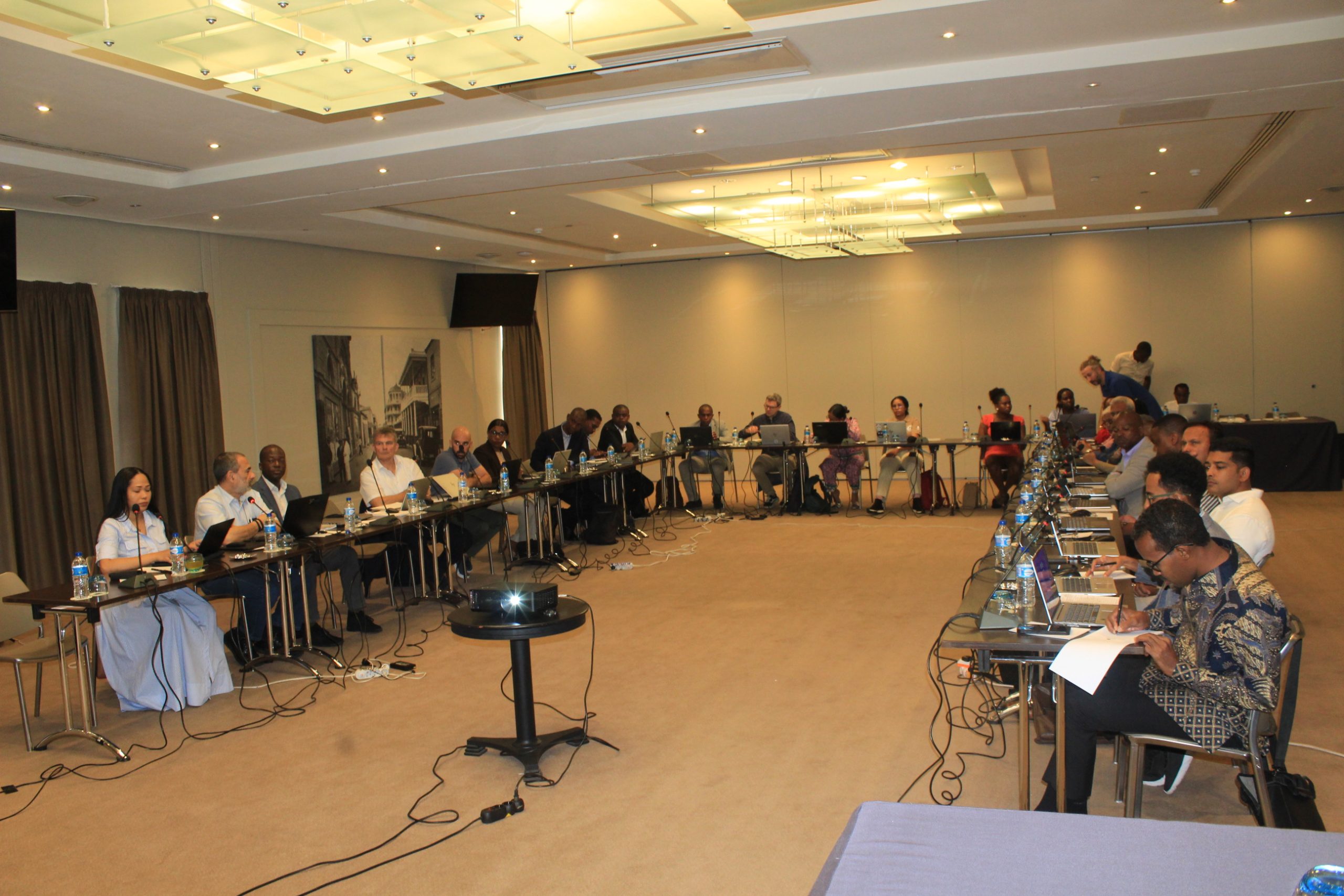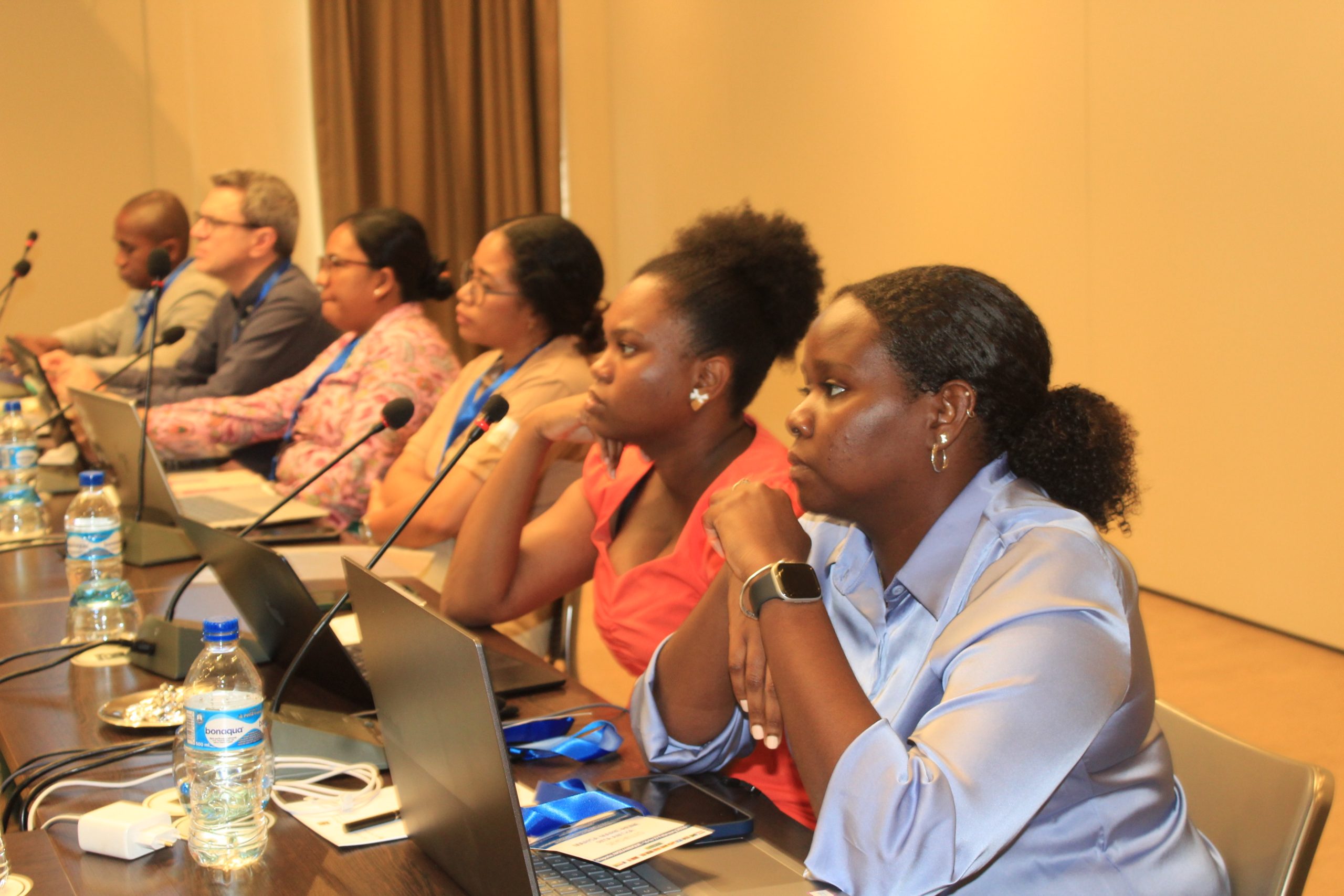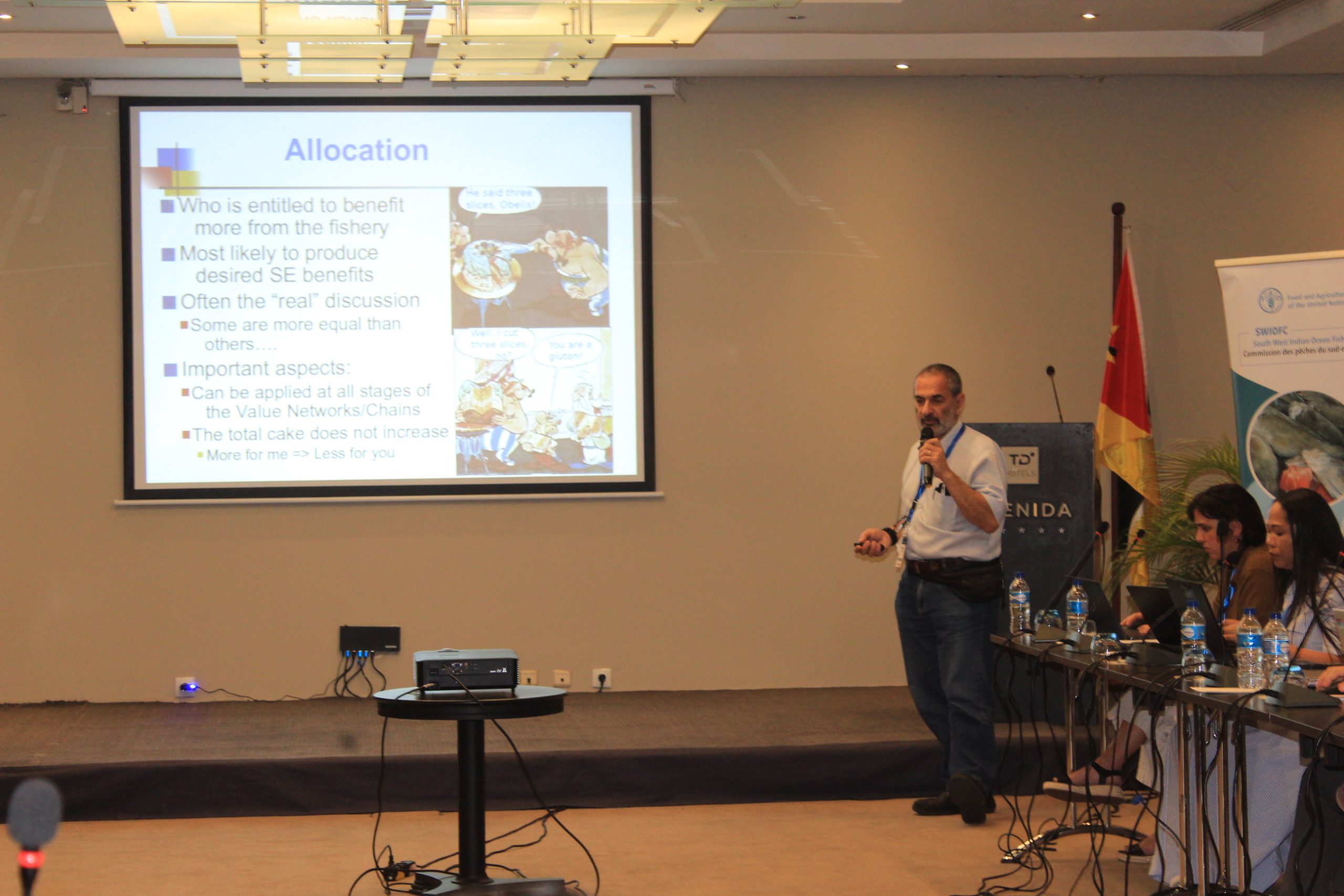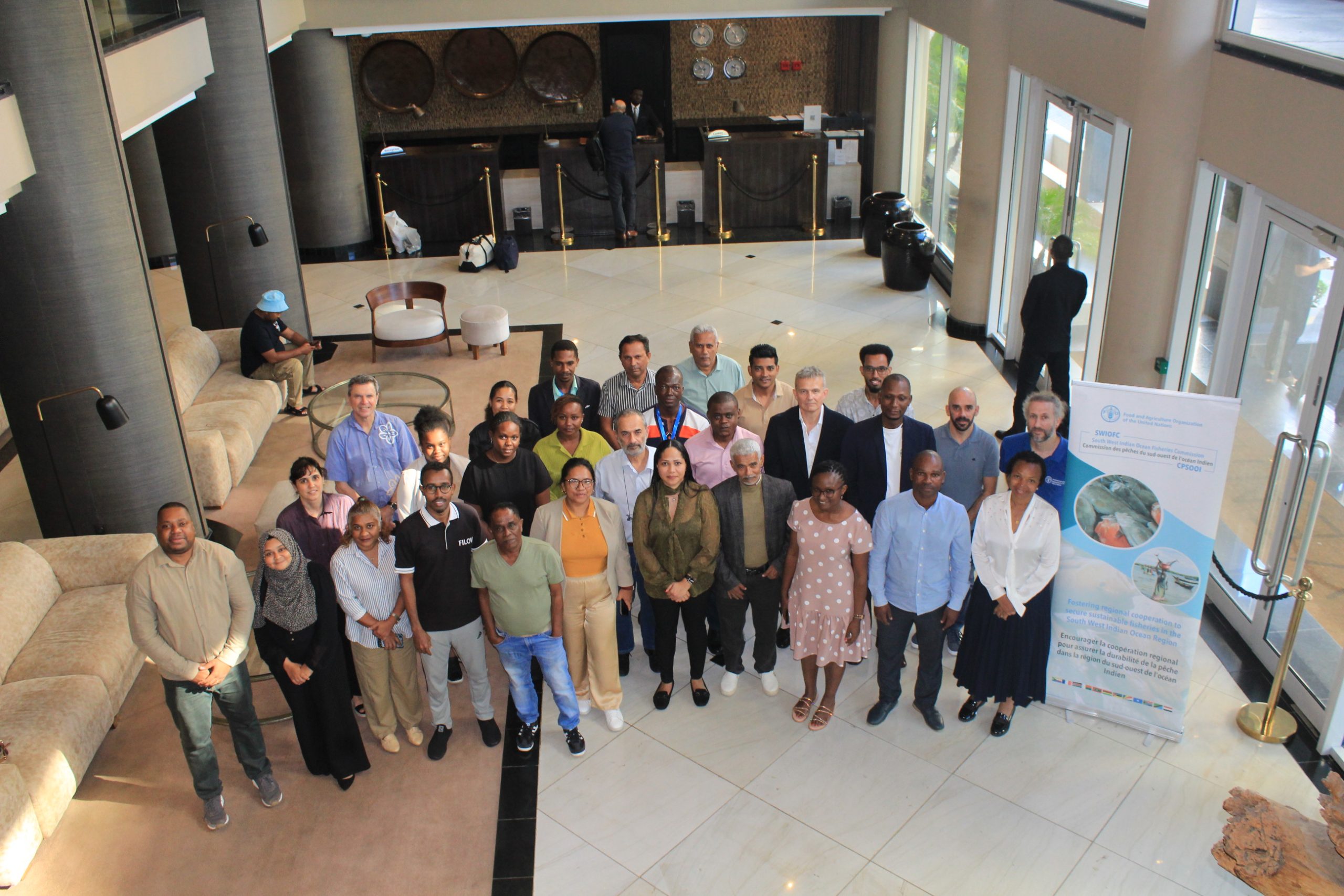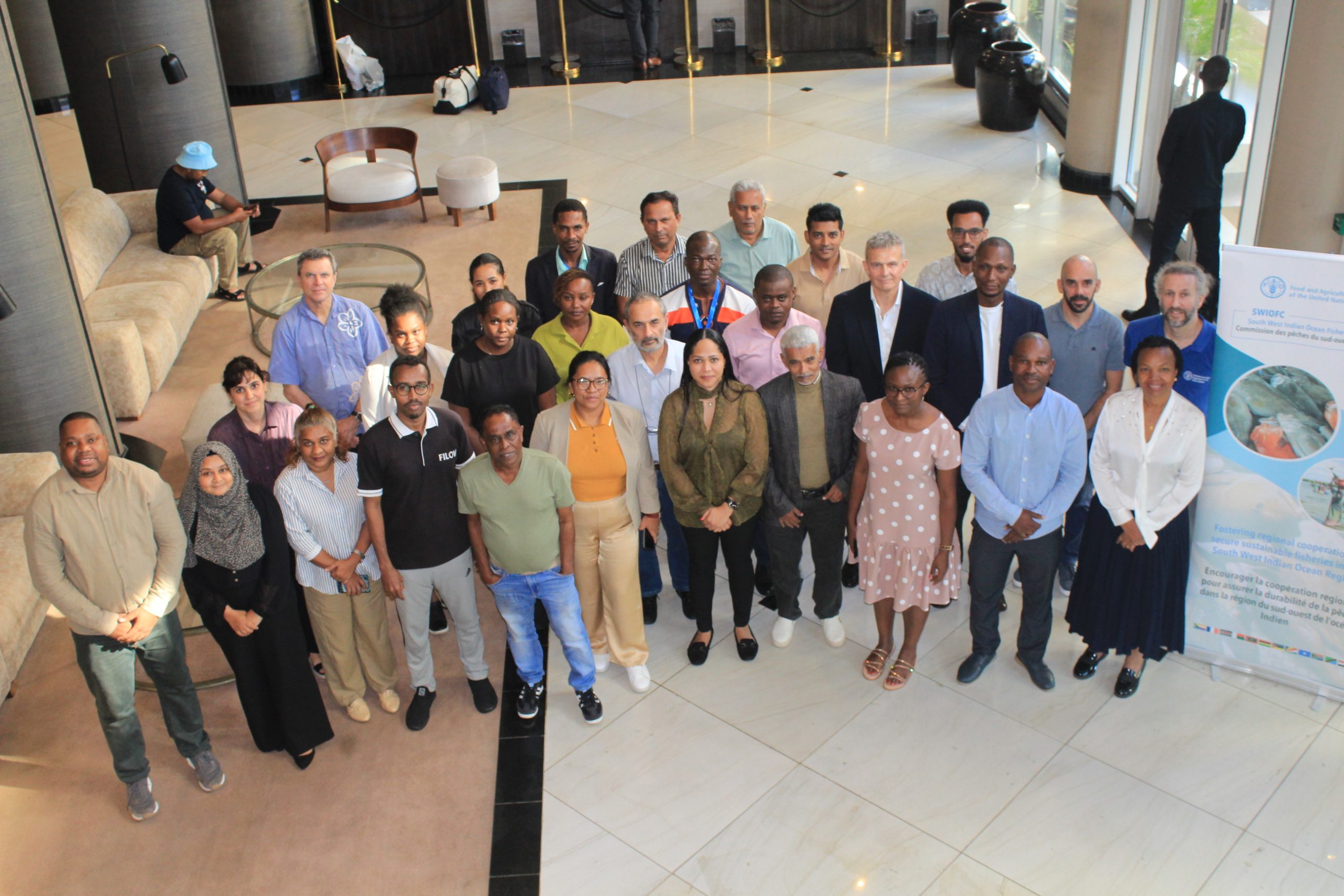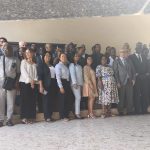

The Director General for Fisheries and Chair of the South West Indian Ocean Fisheries Commission (SWIOFC) Working Group on Fisheries Socio-Economics (WGFSE), Ms Sheriffa Morel, chaired the in-person component of the Third Meeting of the Working Group, convened in Maputo, Mozambique from 16 to 27 February 2026.
The workshop was hosted by the Government of Mozambique, with technical support from the Food and Agriculture Organization (FAO) and facilitation by the Indian Ocean Commission (IOC) through the World Bank-funded SWIOFish5 Programme.
Bringing together regional experts from Somalia, Mauritius, Mozambique, Maldives, Yemen, Kenya, Seychelles, Madagascar, La Réunion, Comoros and Tanzania, as well as technical specialists from FAO, the EAF-Nansen Programme and the IOC, the meeting focused on advancing fisheries socio-economic analysis and strengthening regional collaboration.
Under Seychelles’ chairmanship, the Working Group continued its mandate to promote harmonised socio-economic reporting and the use of common analytical tools across SWIOFC Member States.
The session builds on progress made during the second WGFSE meeting held in Seychelles in August 2024 which focused on deepening the integration of socio-economic considerations into fisheries management frameworks.
Discussions emphasised that effective fisheries governance must move beyond biological sustainability alone and incorporate the full spectrum of economic and social dimensions, including livelihoods, food security, value chain development, and income generation.
The Seychelles delegation comprised:
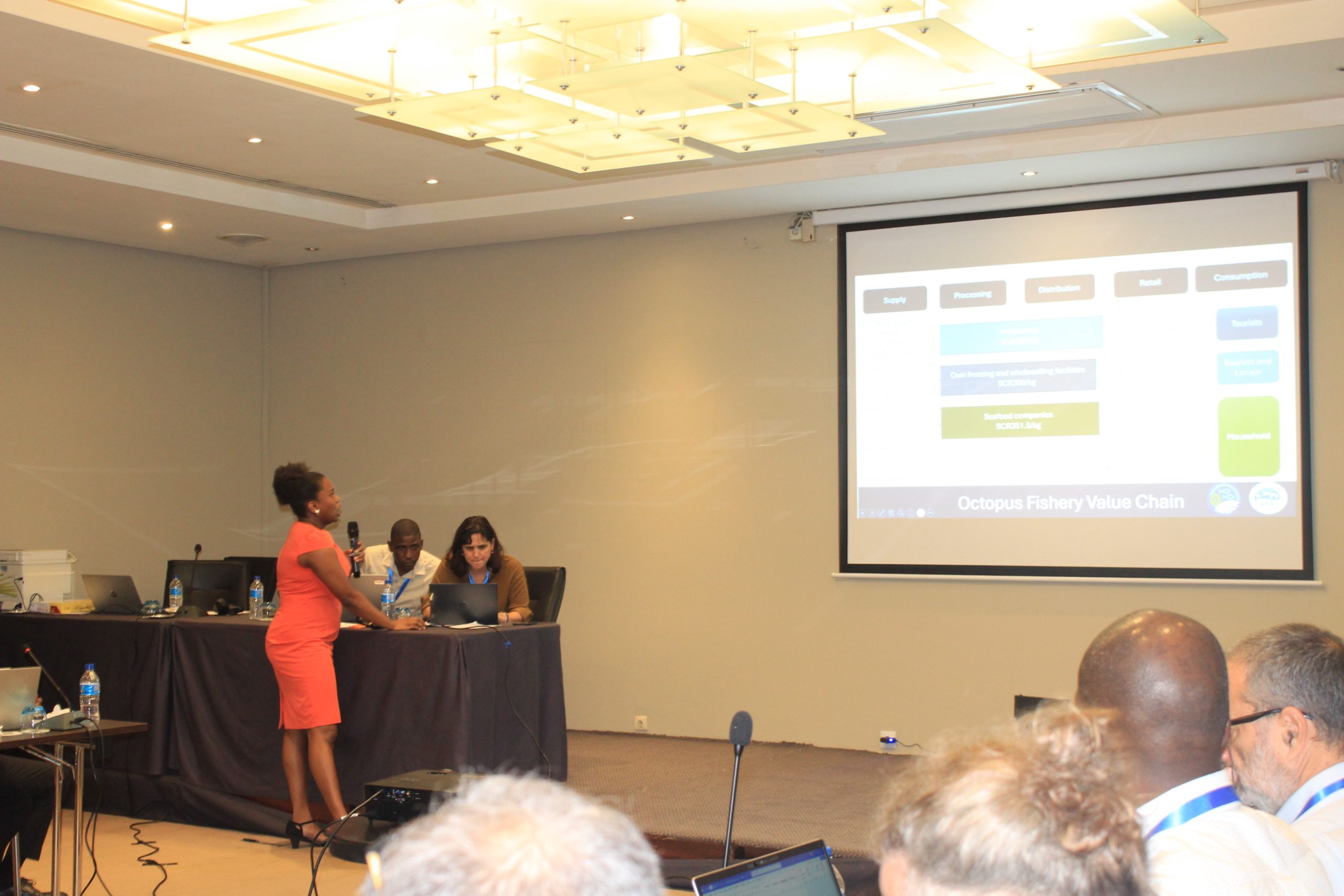
Ms Barra delivered a country presentation on the octopus fishery, jointly prepared with Ms Antat, outlining socio-economic data availability, value chain structures, and priority areas for further refinement. The presentation demonstrated Seychelles’ ongoing efforts to align socio-economic analysis with its strong biological management systems.
Over the course of the workshop, participants:
The Working Group also agreed to finalise technical documentation for submission to the Scientific Committee, further refine the format for socio-economic reporting and continue strengthening regional collaboration and knowledge exchange.
In her concluding reflections, Ms Morel underscored that strengthening socio-economic analysis within fisheries management is both a technical necessity and a strategic regional priority. Integrating ecological sustainability with economic performance and social well-being ensures that fisheries governance remains responsive to communities and development objectives.
The Ministry of Fisheries, Agriculture and Blue Economy reaffirms Seychelles’ continued leadership and commitment to advancing sustainable, inclusive and evidence-based fisheries management within the SWIO region.